From Problem Definition to Solution Validation
An effective technical approach begins with a clear definition of the problem. Before measuring, analyzing or proposing a solution, it is essential to understand the situation, clarify the objective and determine what truly needs to be evaluated.
Gestbeau uses a structured approach to turn observations and data into practical decisions: define and frame, observe and measure, analyze and understand, then develop, verify and validate.
01 — Define & Frame
Understand the situation, define the problem, clarify the objective, identify the process involved and determine the decision to be made.
03 — Analyze & Understand
Distinguish symptoms from causes, analyze data and variability, understand the underlying mechanisms and identify root causes.
02 — Observe, Measure & Document
Determine what needs to be observed or measured, collect relevant data and document the facts
04 — Develop, Verify & Validate
Develop an appropriate response, verify its implementation and measure the results to confirm that it addresses the defined problem.
Methods Selected to Fit the Problem
Process Analysis & Problem Solving
DMAIC · Root-cause analysis · Process mapping · Variability analysis
Measurement & Data Analysis
Measurable indicators · Statistical sampling · Trend analysis · Decision thresholds and criteria
Assessment & Compliance
Objective evidence · Audit methodology · Traceability of findings · Gap analysis · Applicable requirements
Validation & Verification
Validation protocols · Acceptance criteria · Effectiveness verification · Results monitoring
Technical Capabilities Applied to Diverse Challenges
The methods and tools used vary according to the nature of the challenge, the available data and the decision to be supported. Gestbeau’s assignments demonstrate technical capabilities ranging from field measurements to systems analysis and technical validation.
01 — Measurement, Instrumentation & Field Validation
Observe and measure relevant phenomena to characterize a situation, assess process performance and verify the results obtained.
Examples of assignments :
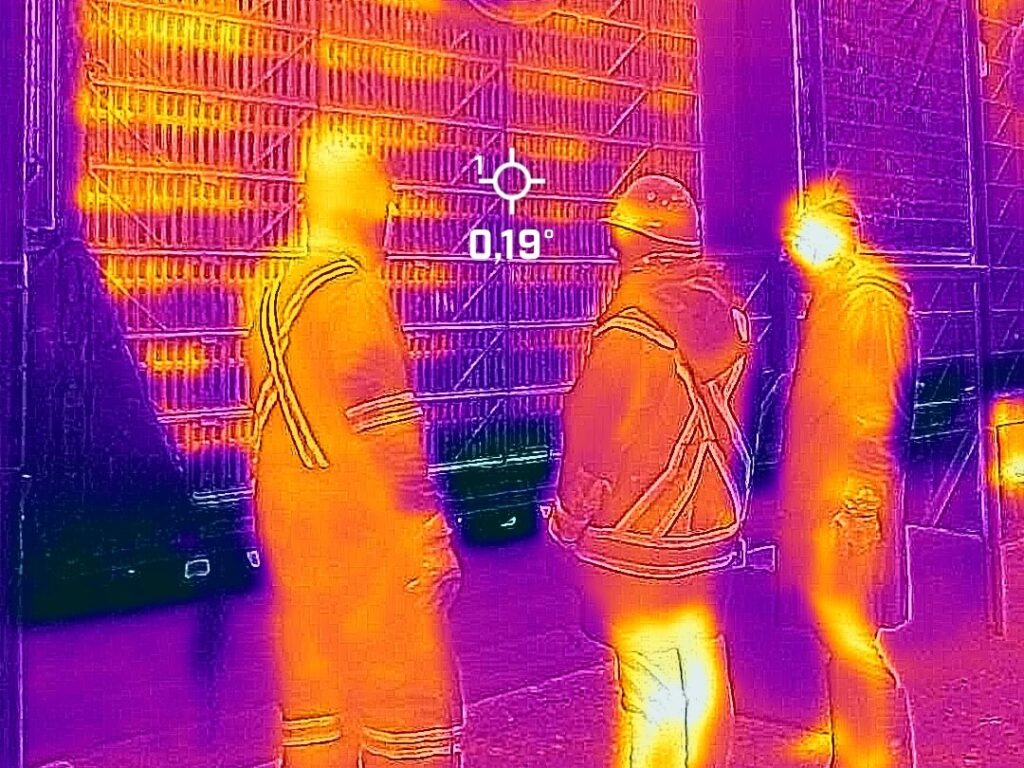
Stunning process validation · In-use validation · Physiological and behavioural measurements · Assessment of electrical parameters · Thermography · Development of validation protocols
02 — Sampling & Data Analysis
Develop data collection and analysis strategies to obtain representative information, interpret results and support decisions using measurable evidence.
Examples of assignments :
Sampling plans · Statistical validation · Operating characteristic (OC) curves · Acceptance criteria · Alert and investigation thresholds · Trend analysis
03 — Process Analysis & Improvement
Analyze how a process operates, distinguish symptoms from causes and develop improvements whose effectiveness can be verified.
Examples of assignments :
DMAIC / Six Sigma · Root-cause analysis · Gap analysis · Process mapping · Development of corrective measures · Verification of action effectiveness
04 — Assessment, Compliance & Regulatory Analysis
Evaluate a situation against defined criteria, available evidence and applicable requirements to characterize gaps and support a documented technical conclusion.
Examples of assignments :
Third-party audits · Non-conformity analysis · Technical review of inspection reports · Reconstruction of facts · Review of applicable requirements · Independent technical counter-expertise · Development of documented responses
Facing a Technical, Operational or Regulatory Challenge? Let’s Talk.
An initial discussion often helps clarify the challenge, whether it involves assessing a situation, validating an approach, developing a system, training a team or providing independent technical expertise.